Recap: The 3rd Bishop Kevin C. Rhoades Annual Lecture Series on Catholic Social Teaching
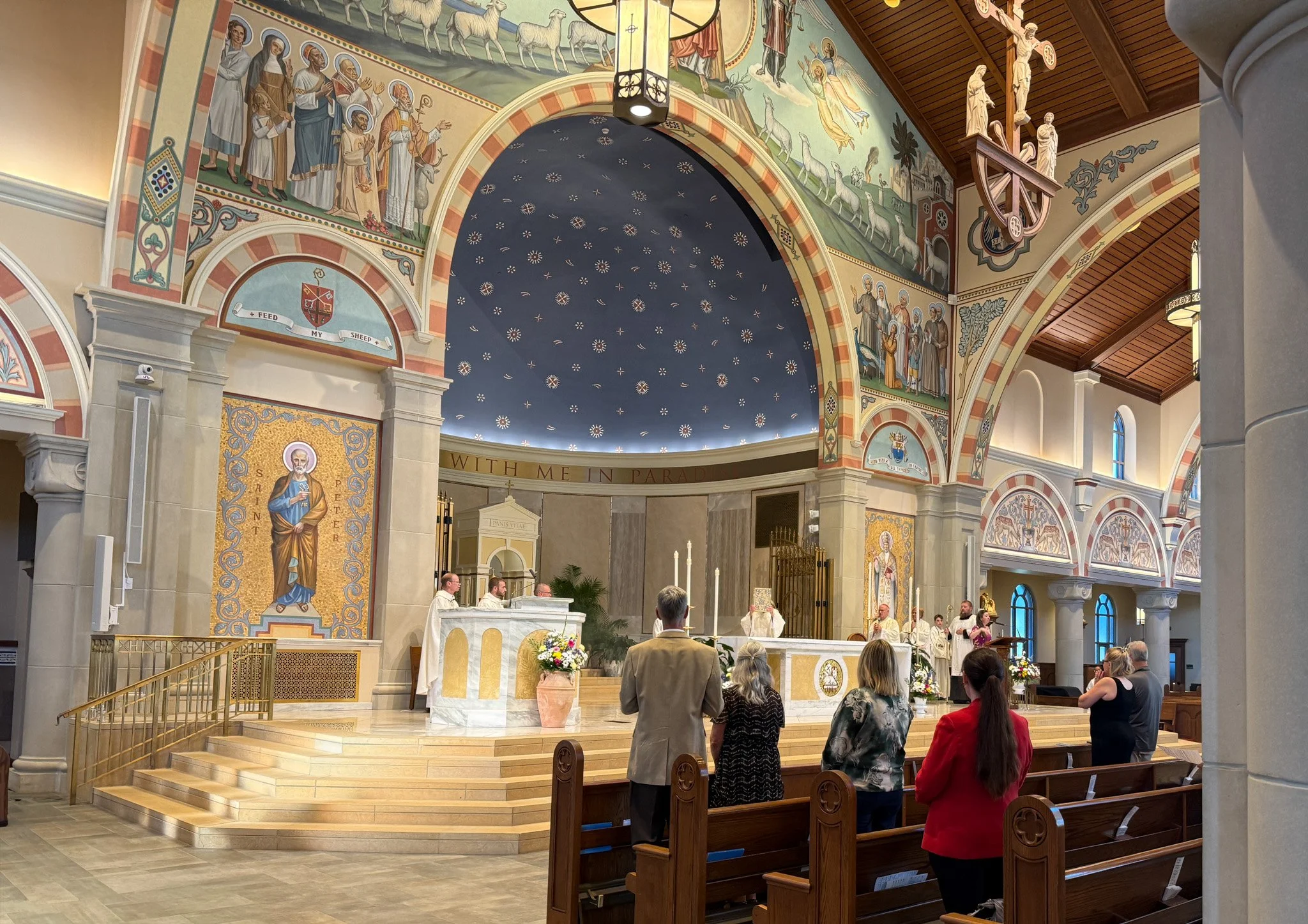
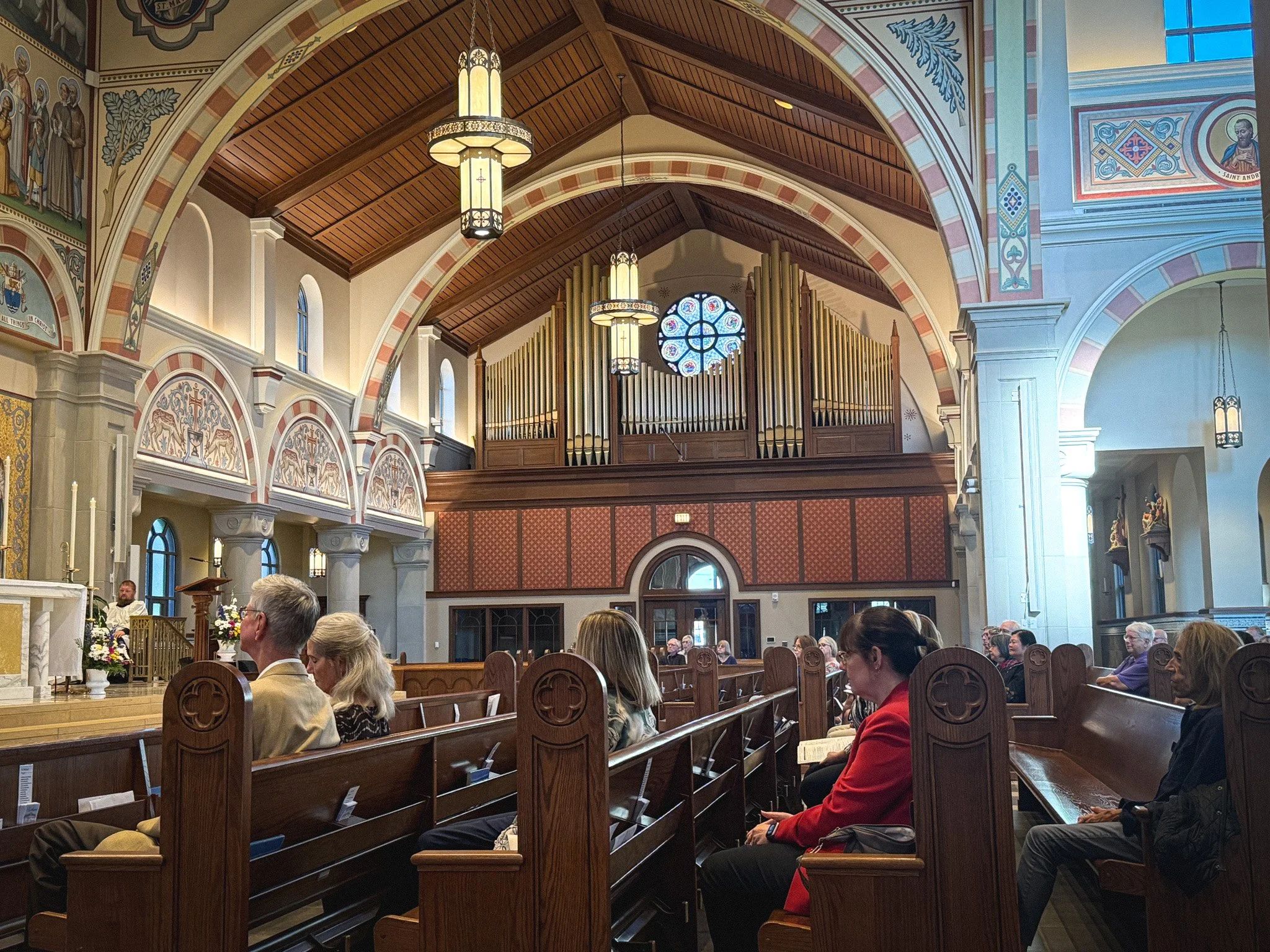
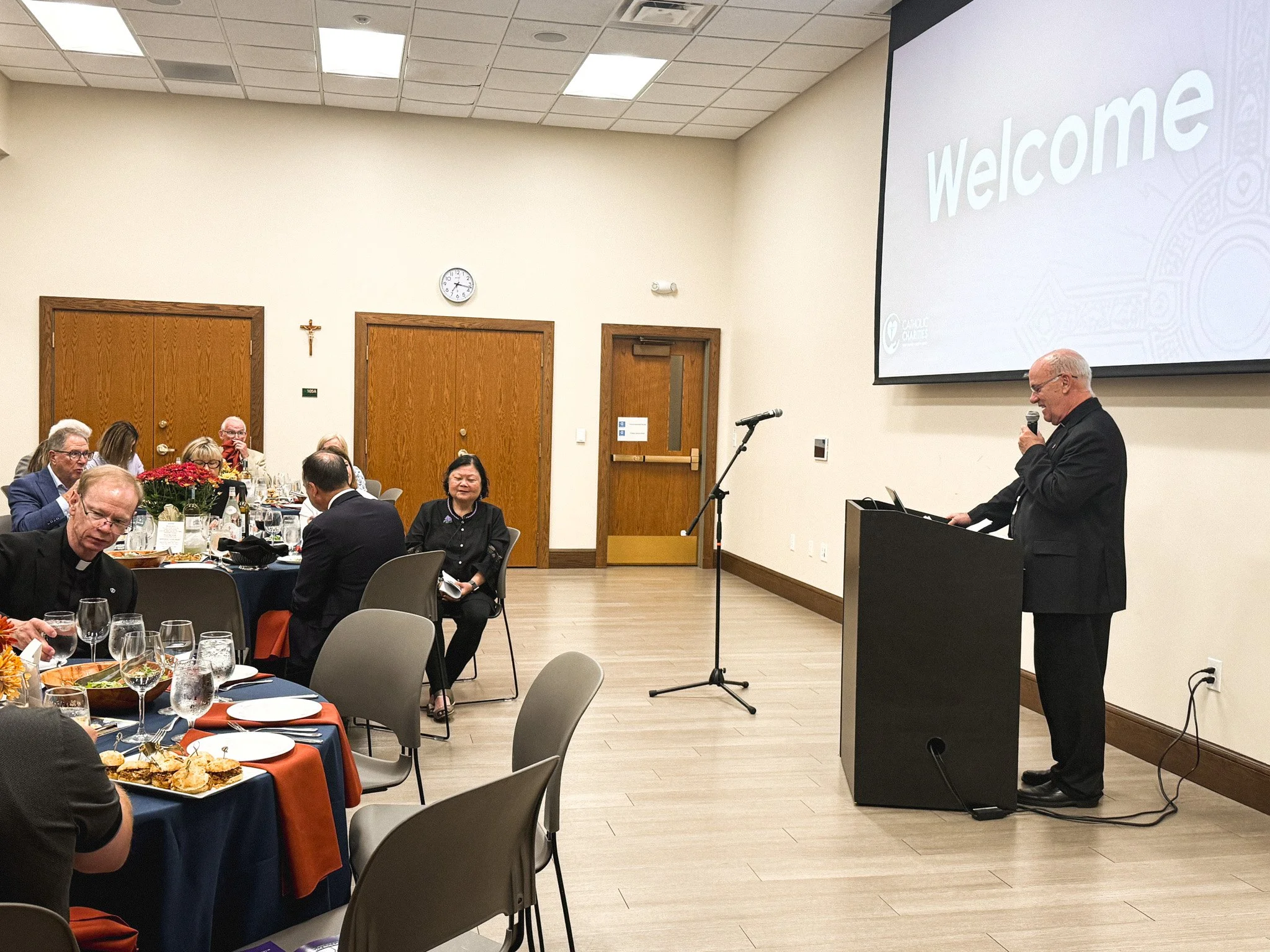
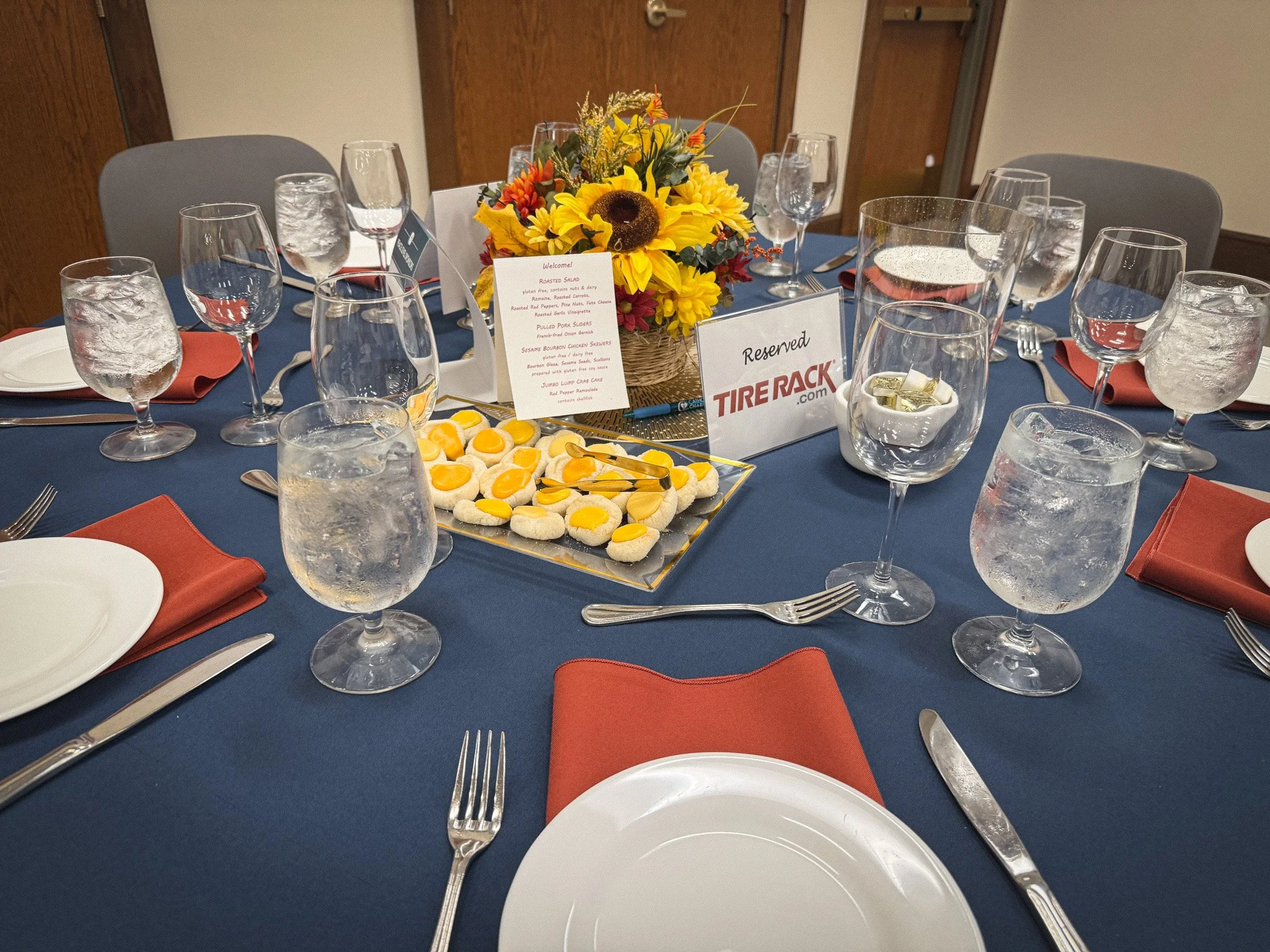
The 3rd Kevin Bishop C. Rhoades Annual Lecture Series on Catholic Social Teaching was held on Thursday, August 27 at St. Pius X Catholic Church. This series was created as a way to shine a light on how Catholics should live out our faith based on the tenants of Catholic Social Teaching. Each year, guests celebrate Mass with Bishop Rhoades before enjoying dinner and a keynote.
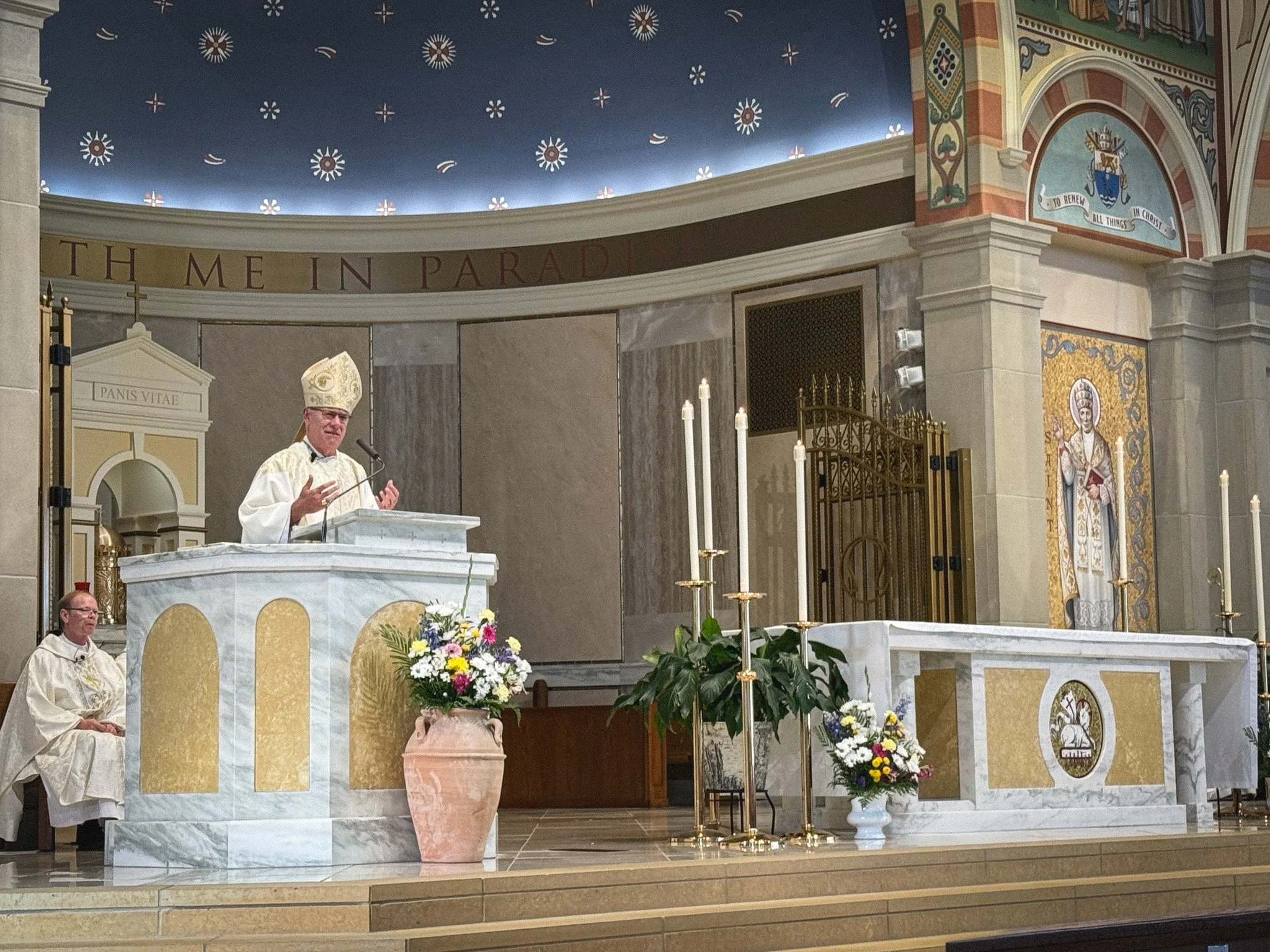
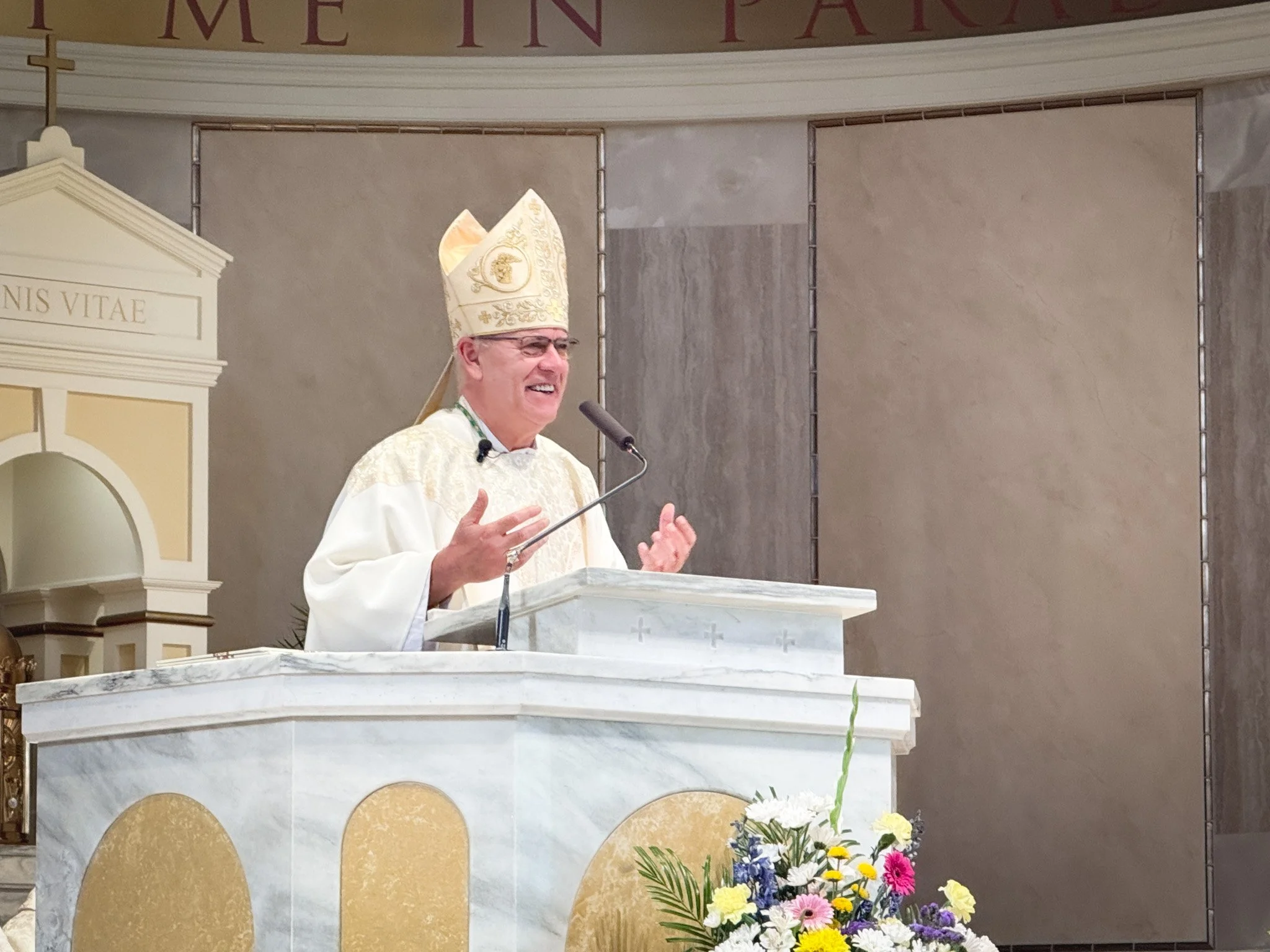
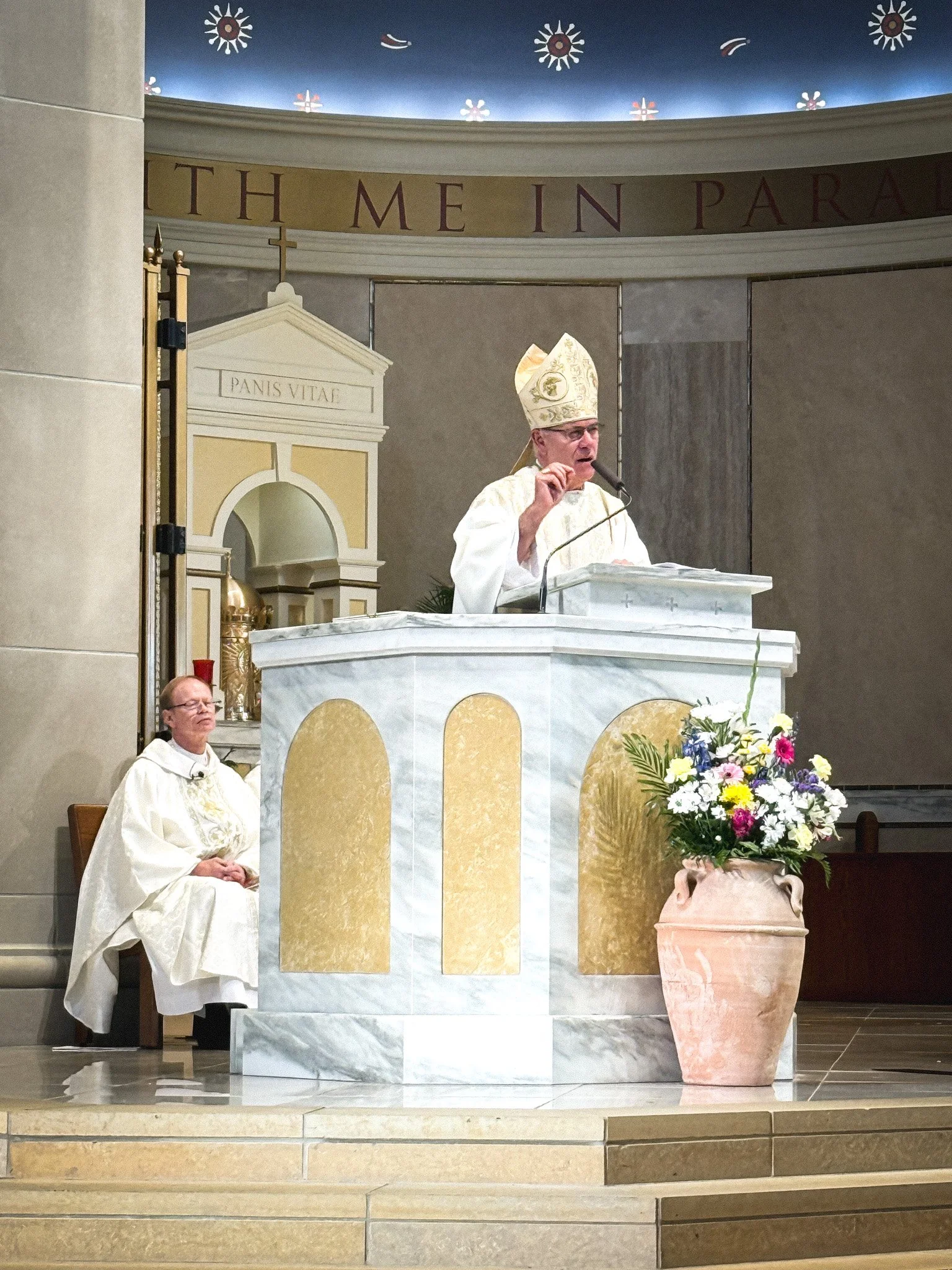
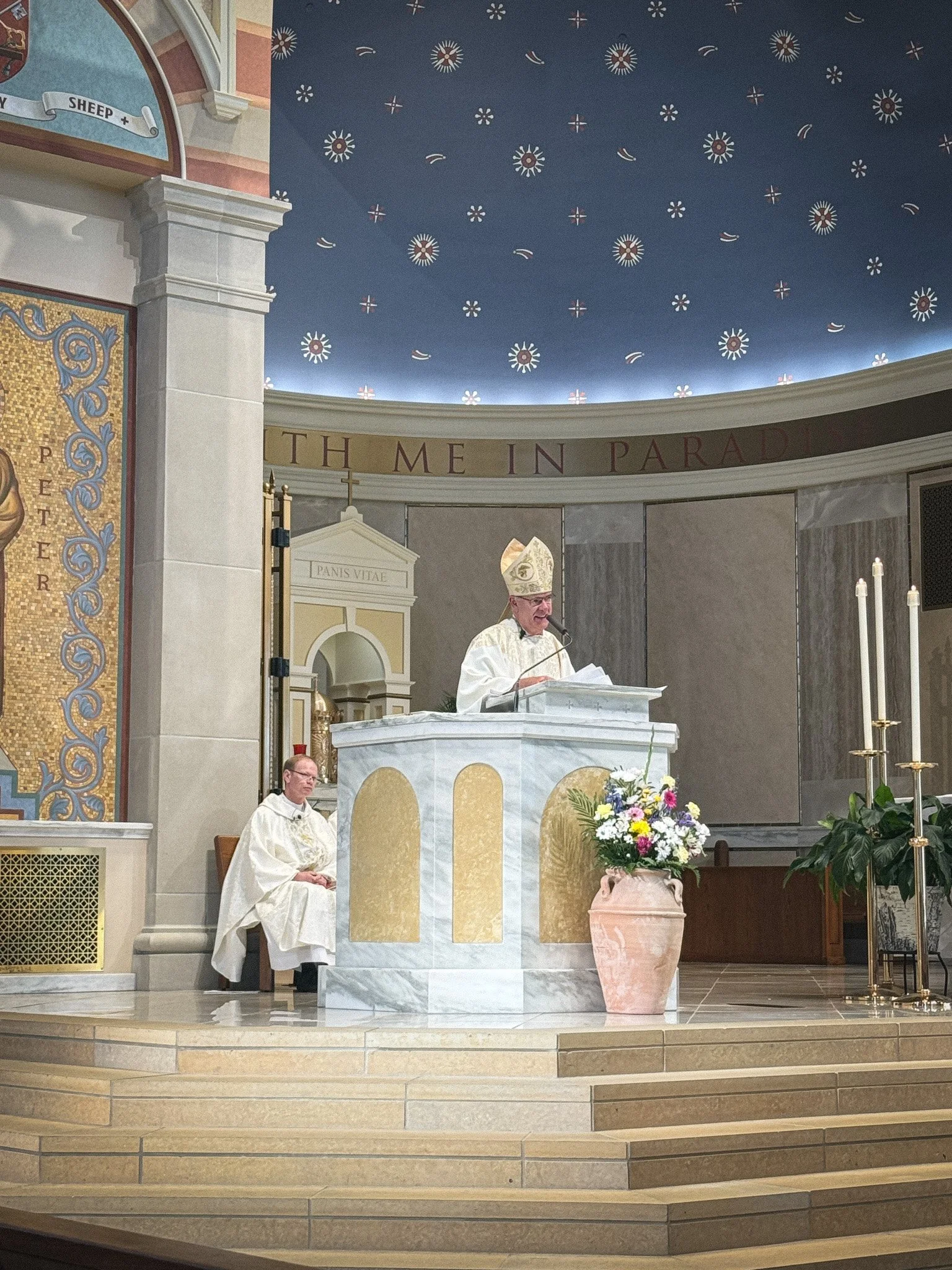
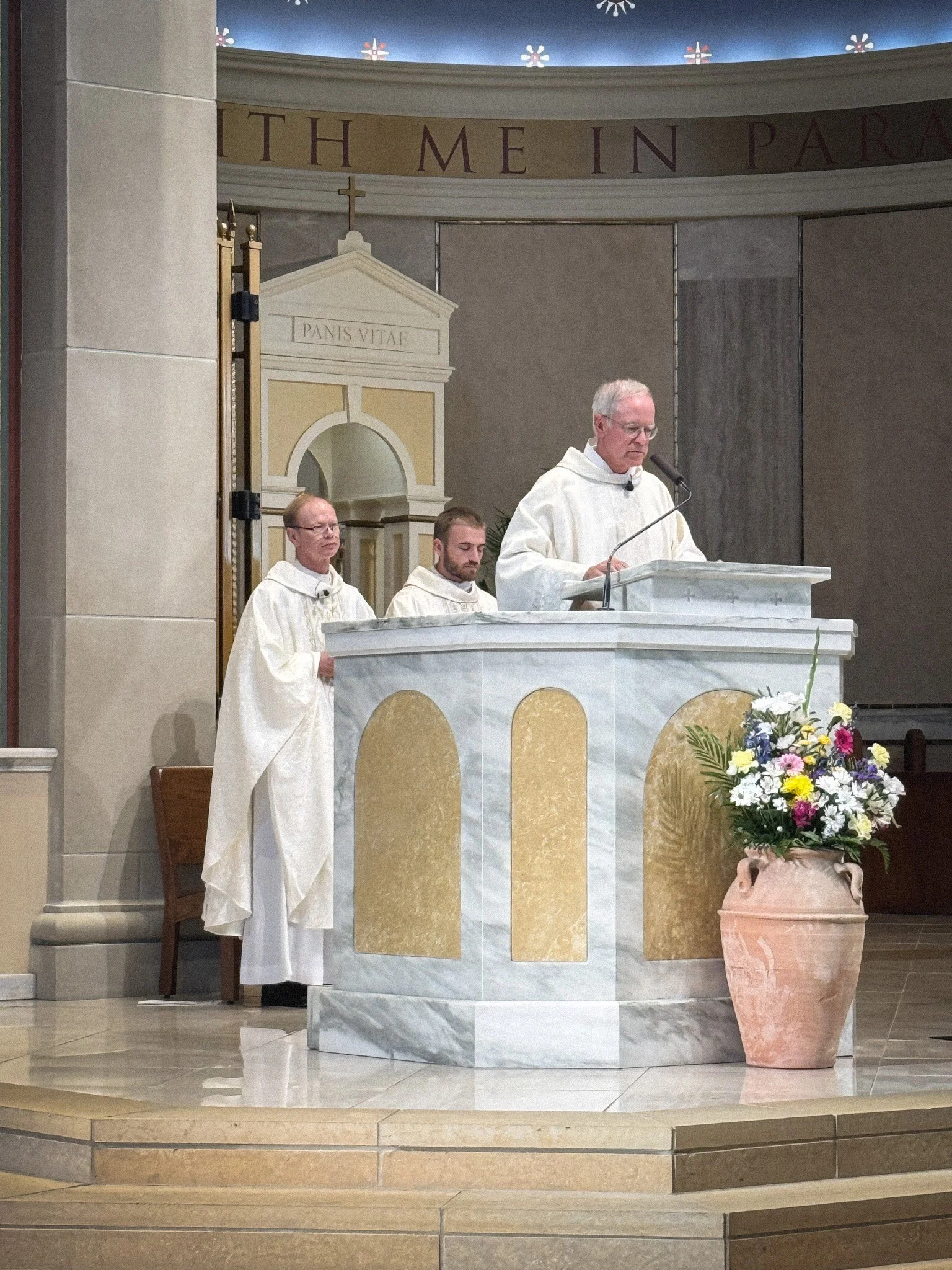
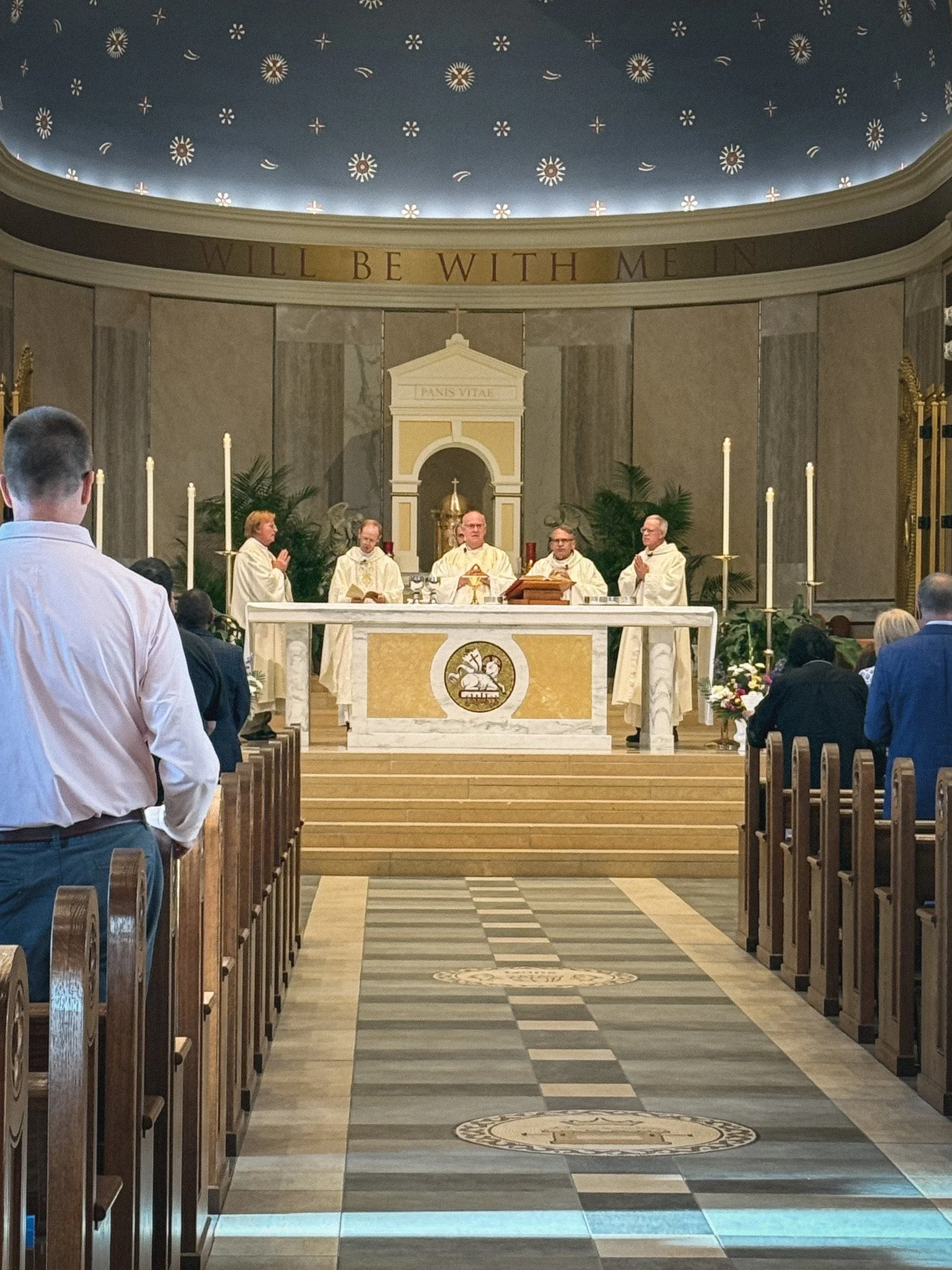
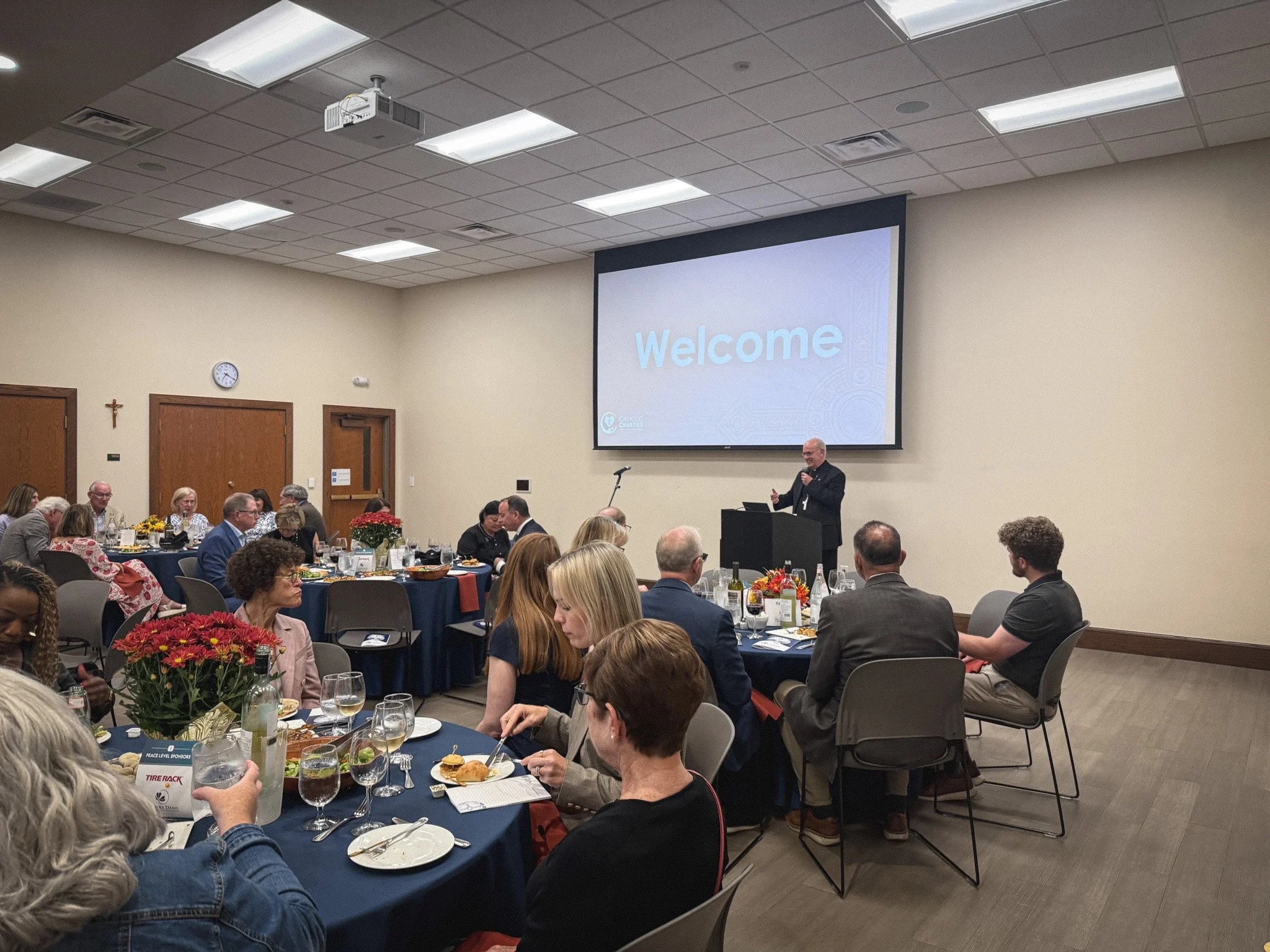
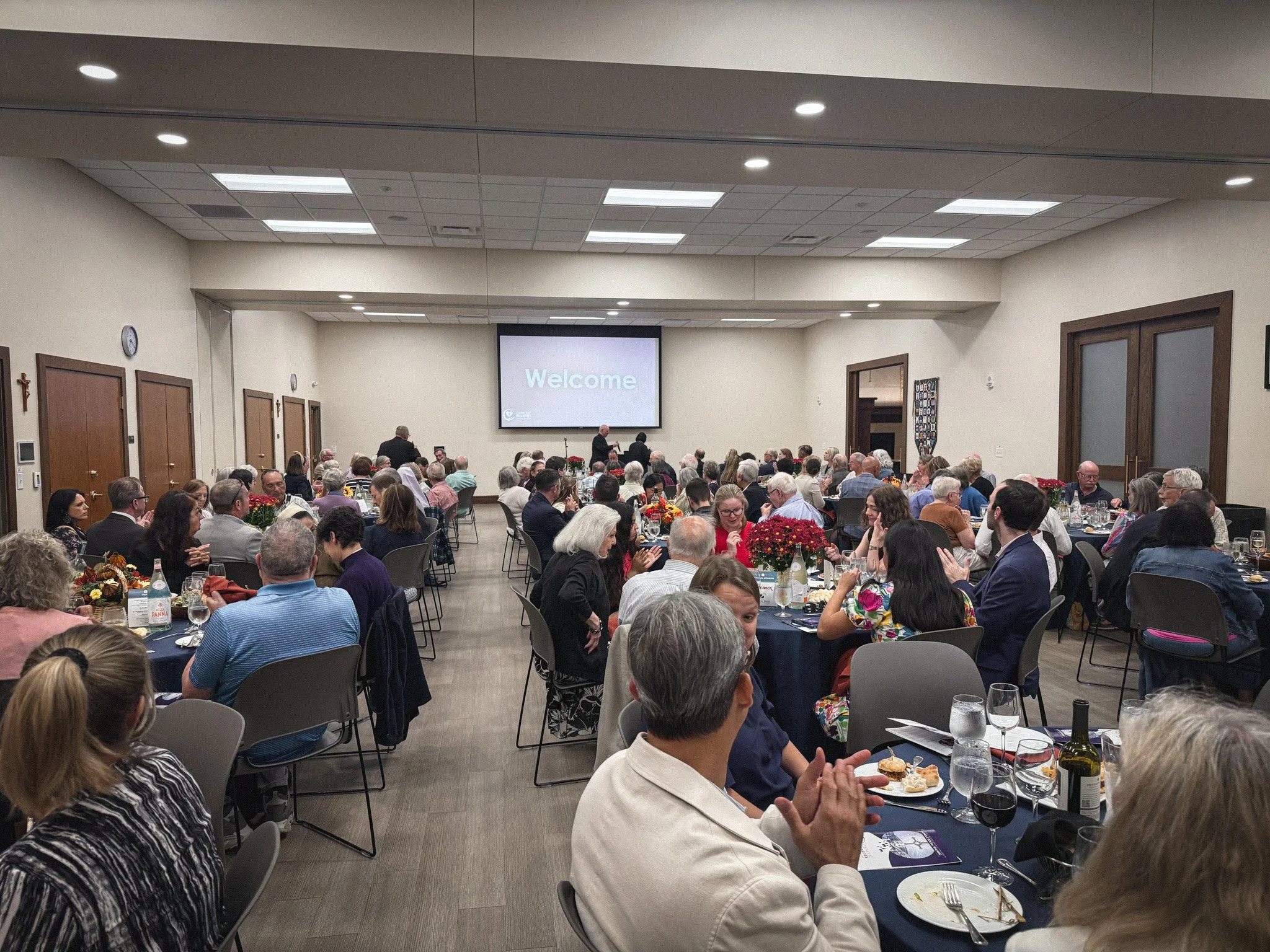
Homily: Bishop Kevin C. Rhoades
Memorial of Saint Monica - Mass for Catholic Charities (St. Pius X Church, Granger – August 27, 2026)
Today, the day before the feast of the great Father and Doctor of the Church, Saint Augustine, the Church celebrates the feast of Saint Augustine’s mother, Saint Monica. If it were not for her love for her son, her prayers and her tears, it is doubtful that Augustine would have been converted to Christ. Augustine was a brilliant, but deeply troubled, young man. Monica watched him make destructive choices, chase false philosophies, and wander far from the faith, but she did not walk away or give up on him. Instead, she took her broken heart and turned it into an altar of intercession. In her, we see the power of persistent love. At the same time, she suffered a turbulent marriage to a pagan husband with a violent temper. Yet, Monica did not let the darkness in her family life extinguish her hope for her son’s and her husband’s salvation. She refused to succumb to despair. Instead, she persevered in her prayers and her witness of love for her husband and her son. She lived to see them both convert.
As you know, we are preparing for our diocesan synod, the first in our diocese since 1926. The theme of our synod is “spreading the fire of God’s love.” I have called all the communities of our diocese to embrace this mission with renewed fervor. In Christian art, Saint Augustine is almost always depicted holding a heart, a heart on fire. Augustine’s heart was pierced by the word of God and burned with divine charity. I think this is a visual and spiritual model for every Catholic institution, for our parishes and schools, and for Catholic Charities, the diocese’s primary agency for our service of the poor and the needy.
As Christians, we are called not just to talk or preach about love, but to live this love, especially by tending to the needs of the poor, the suffering, and the vulnerable. This outreach is one of the five major pillars of our diocesan synod. Catholic Charities is an integral part of our diocesan life and ministry. Its staff, volunteers, and benefactors all take to heart the words of Jesus: “Whatever you do for one of the least of these brothers and sisters, you do to me.”
When we were baptized and confirmed, we were commissioned to spread the fire of God’s love. Think about the nature of fire. It spreads through contact. The same with our faith. Our faith, if it is authentic, is lived out through love. Jesus exemplified this in His own life and ministry. The Incarnate Son of God brought the fire of God’s love to earth. He said: “I have come to light a fire on the earth and how I wish it were already blazing.” That fire blazed most intensely when He offered His life for us on the cross. And that fire filled the hearts of His disciples when the Holy Spirit descended upon them on Pentecost, which was the beginning of the mission of the Church, the mission of evangelization, the mission to spread the fire of God’s love.
Fire gives warmth. People who come to Catholic Charities suffering from the cold outside may receive clothes or a coat to keep them warm. But, more deeply than that, the poor, the suffering, and the vulnerable are in need of much more than physical warmth. They need the warmth of the human love that reflects the divine love. They need unconditional love. Catholic Charities, rooted in the faith of the Church, recognizes in every needy person their radical dignity as persons created in the image and likeness of God. They treat those they serve with profound respect. They listen to their stories and help them to recognize their dignity and their true worth in the eyes of God. They do not offer a bureaucratic transaction, but a transformative relationship.
Oftentimes, the poor find themselves in a very cold environment in which they are seen as a societal problem or a nuisance. Some are suffering from mental illness. Some are from broken families and live in loneliness and isolation. Some have experienced difficult traumas in their lives. Some suffer addictions. Some feel desperate because of an unexpected pregnancy. Some are hungry. Some are homeless. Some are immigrants living in fear or refugees who are struggling to adjust and thrive in their new homeland. Some are children who live in the trenches of family dysfunction. The list goes on. In the coldness of their circumstances, they need warmth, and that’s what our Catholic Charities provides.
Brothers and sisters, our Catholic faith must be manifest by our warmth, by our love. How did the Catholic Church grow so rapidly in the early centuries of the Church? At the end of the second century, the theologian Tertullian noted how the pagans looked at the Christian community and marveled, saying “See how they love one another.” And so, many pagans became Christians. The love of the Church was visible in how believers shared their goods, cared for the poor, supported orphans and widows, buried the dead, and helped people in need. This is part of the very nature of the Church as the Body of Christ.
Our mission to spread the fire of God’s love also entails spreading hope (which Dr. Carolyn Woo will speak about this evening). Despair is a heavy burden. By offering a listening ear, compassion, counseling, and real solutions, Catholic Charities gives people hope and healing. Fire gives both warmth and light. We not only bring warmth into cold places, but also light into dark places.
Saint Augustine pursued truth but found himself in the dark of false philosophies. Thanks to the teachings of Saint Ambrose, he found the light of Christ and opened his mind to the truth of the Christian faith. At the same time, thanks to the persistent love and prayers of his mother, Saint Monica, he discovered the warmth of Christ’s love deep within him. The fire of God’s love was ignited and grew within him.
May the fire of God’s love, which guided Saint Monica’s prayers and consumed Saint Augustine’s heart, burn brightly in each one of us! It is here at the sacred liturgy, which is like a divine furnace, where we encounter and are filled with the fire of Christ’s love. May Saint Monica and Saint Augustine intercede for the staff of our Catholic Charities, for our volunteers and benefactors, and for God’s beloved children whom we are privileged to serve!
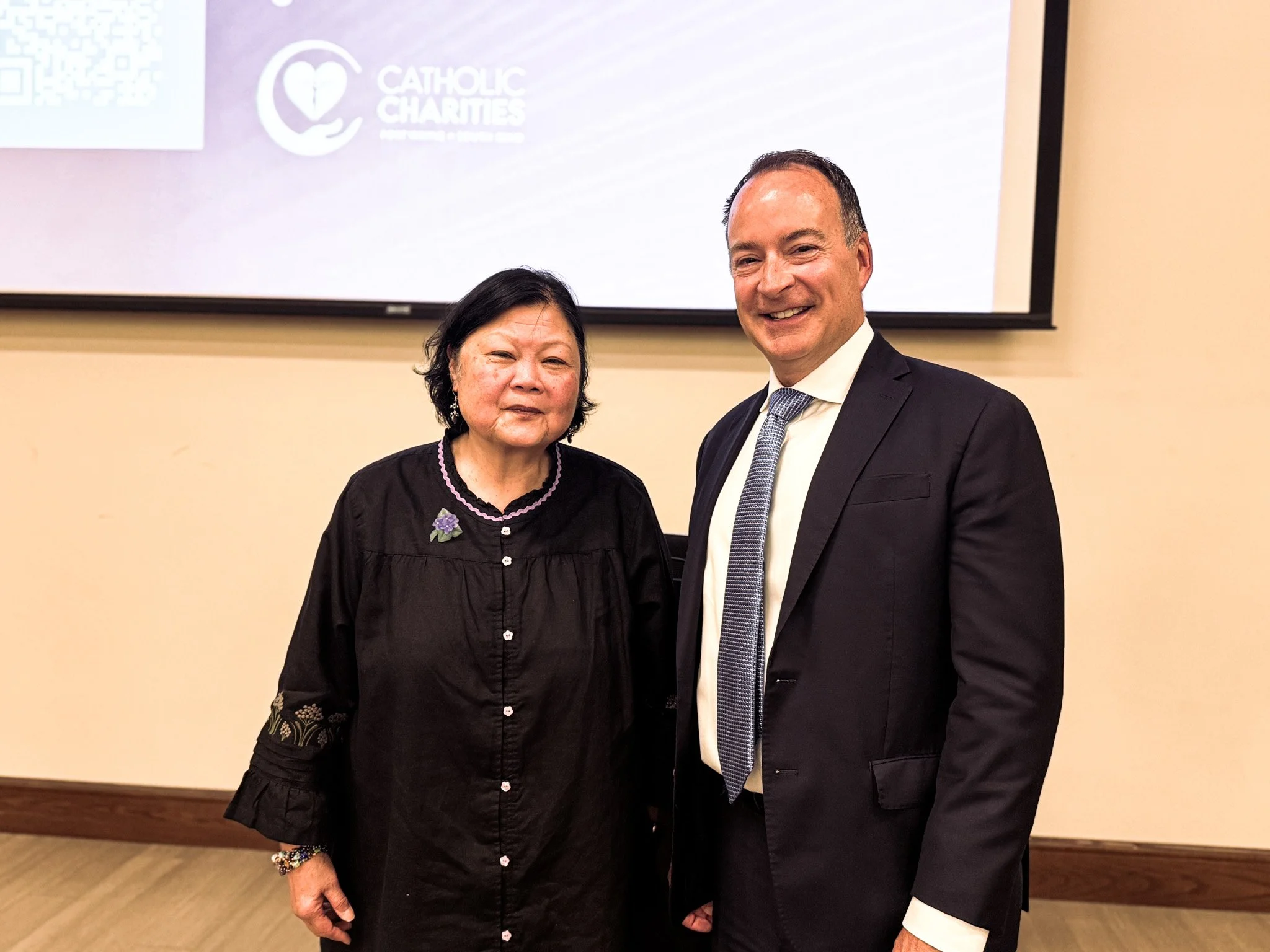
Keynote: Dr. Carolyn Y. Woo
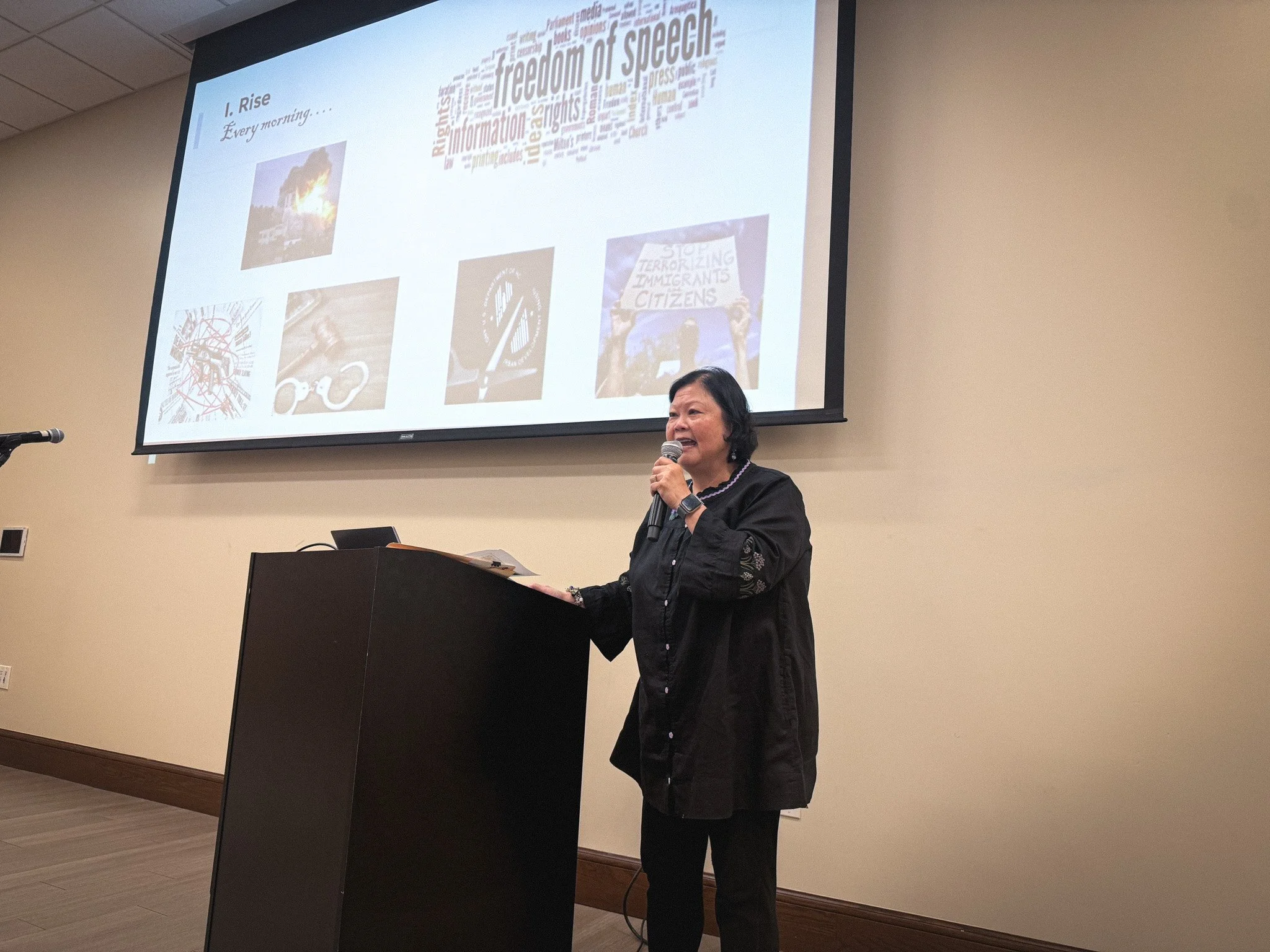
Dr. Woo gave a moving lecture on Hope in 3 Acts. Dr. Woo shared ways we as Catholics can find hope in today's world:
Rise — With the news around the world feeling heavier each day, it is important we continue to start each day anew without the deceptive, defeating thoughts of hopelessness. Woo detailed the art of Kingsugi, the Japanese art of mending broken pottery that highlights the beauty of imperfections, while also making it stronger and more resilient. The speaker went on to share uplifting news from around the world, showcasing positive change amidst challenging situations. Hope comes from the Lord; He promises to make all things new.
Claim Our Neighbor — “Who is my neighbor?”, Pope Benedict XVI asks in Deus Caritas Est. The answer is simple, “Anyone who needs me, and whom I can help, is my neighbor.” Likewise, Pope Francis regularly encouraged the faithful to build a Culture of Encounter which begins with attention. Woo shared, “To love God is to encounter God directly in the face of the neighbor who makes a moral claim on us. Encounters are never abstract; they happen in real physical space, demanding ethical responsibility.”
“Not just seeing, but looking; Not just hearing, but listening; Not just passing people by, but stopping with them; Not just saying What a shame, poor people,
but allowing yourself to be moved with compassion; and then to draw near, to touch and to say ”do not weep” and to give at least a drop of life.” — A Culture of Encounter, Pope Francis, 9/12/16Act — Across our nation and the globe, the Church is carrying out humanitarian work. In Pope Leo’s Magnificent Humanity, we are reminded that doing our part means building a civilization of love through disarming words, justice, healthy realism, dialog, and adopting the perspectives of the victims. In the bustle of today’s world, it can be easy to miss the signs of God. Woo cautioned guests to take in the goodness around you each day, provide witness to others, pick up the brokenness around us, and take breaks from the news when needed. Never forget that you could be the answer to the prayers of others. Woo went on to encourage attendees to pray the rosary, as the Blessed Mother has consistently asked in her apparitions.
Thank you, Dr. Woo, for reminding us that hope starts with our own decision to respond to the person in front of us with the love of Christ. We cannot let our failure of imagination limit what tomorrow can become.
A copy of her presentation can be downloaded here.
From 2012 – 2016, Carolyn Woo, PhD, served as president and CEO of Catholic Relief Services (CRS), which is the official humanitarian agency of the United States Catholic community. Formed in 1943 by the Catholic Bishops of the United States to support World War II survivors in Europe. By 2024, the organization has grown to serve more than 200 million people across 100 countries on five continents. In this role, Dr. Woo used her expertise in corporate strategy and management to develop leaders internally and ensure those served by the organization’s mission would be cared for well into the future.
Prior to joining CRS, Dr. Woo was a distinguished academic and higher education administrator. She served from 1997 to 2011 as dean of the University of Notre Dame’s Mendoza College of Business and, during her tenure, Mendoza College was ranked as the nation’s top undergraduate business program and consistently recognized for its excellence in ethics education and research.
Before Notre Dame, Dr. Woo was associate executive vice president for academic affairs and a professor at her alma mater, Purdue University, where she earned three degrees, including a doctorate in strategic management. She was educated by the Maryknoll Sisters and immigrated from her native Hong Kong at the age of 18 with funding for one year of college tuition. Dr. Woo also holds honorary degrees from over thirty universities including the University of Notre Dame, Purdue University, and Wake Forest University.
In 2013, Foreign Policy named Dr. Woo as one of the 500 Most Powerful people on the planet for her work and one of only 33 in the category of “a force for good.” In 2015, she was one of five presenters in Rome at the release of Pope Francis’ Laudato Si’ encyclical on the environment and she co-coordinated the Energy Transition dialogues held at the Vatican in 2018 and 2019.
Additional accolades and recognitions include serving as the first female dean to chair the accreditation body for business schools (AACSB), helping launch the Principles for Responsible Management Education for the United Nations Global Compact, best paper awards by the Academy of Management, selection as one of 40 Young Leaders of American Academe by Change Magazine, recognized as Indiana Living Legend by the Indiana Historical Society, and earning first place in the 2013 Catholic Press Association Awards for her monthly column published by the Catholic News Service.
Dr. Woo has served on both corporate and nonprofit boards including Aon PLC, NiSource, Circuit City, Catholic University of America; University of Portland, University of Notre Dame Australia, Ascension Health System, National Catholic Education Association, Archdiocese of Baltimore Independent Child Abuse Review Board; Migration & Refugee Services, United States Conference of Catholic Bishops. In this Diocese, she serves on the board of Our Sunday Visitor, Catholic Charities West Region Advisory Committee, Bishop’s Development Committee and Finance Committee of the Sisters of St Francis of Perpetual Adoration. She is a frequent contributor of GIVE US THIS DAY, and author of two books, Working for a Better World and Rising: Learning from Women’s Leadership in Catholic Ministries.
Dr. Woo is married to Dr. David E. Bartkus. Her parish is St. Matthew’s Cathedral in South Bend, IN.